
Cabling, Bracing & Structural Support
Save valuable trees with structural support systems that reinforce weak branches and trunks.
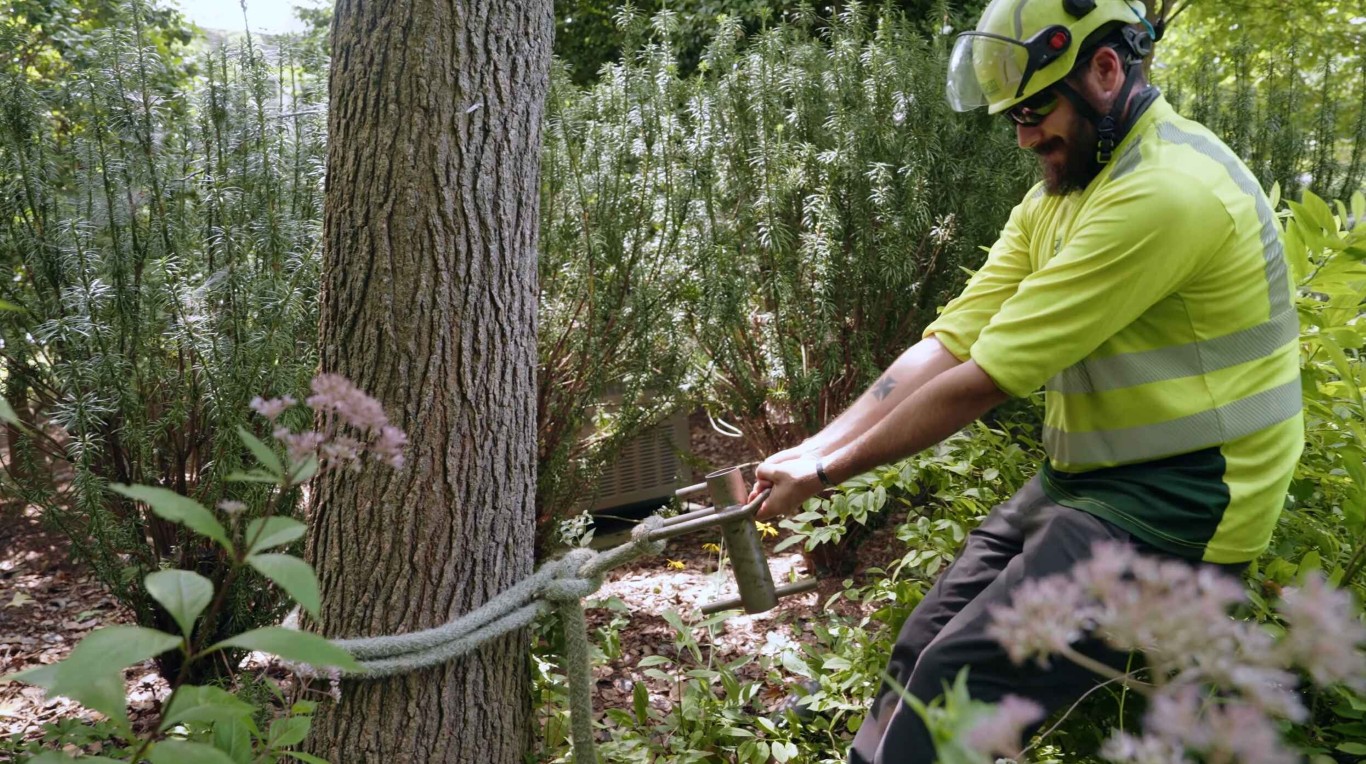
When Trees Need Extra Support
Some trees develop structural weaknesses that make them vulnerable to storm damage or collapse. Instead of removing a valuable tree, cabling and bracing systems provide the support needed to keep it standing safely for years to come. These systems use cables, rods, and braces to strengthen weak areas and reduce the risk of branch or trunk failure.
Trees in Roswell, NM face challenging conditions including high winds, drought stress, and occasional severe weather. Over time, these stresses can create cracks, split trunks, or weak branch unions. If you have a mature tree with sentimental or landscape value, structural support offers a way to preserve it rather than cutting it down.
At Root & Crown Roswell Tree Services, our certified arborist assesses trees for structural issues and recommends support systems when appropriate. We install professional-grade cabling and bracing that reinforces your tree while allowing it to continue growing naturally. This service is ideal for historic trees, shade trees, or any tree that adds significant value to your property.
Signs Your Tree Needs Structural Support
Not every tree needs cabling or bracing, but certain conditions make structural support a smart choice. Here are signs that your tree could benefit:
- Multiple trunks that form weak V-shaped unions
- Large horizontal branches that sag or show stress cracks
- Splits or cracks visible in the trunk or major limbs
- Branches that lean heavily to one side
- Previous storm damage that weakened the structure
- Trees with high historical or landscape value
- Co-dominant stems competing for dominance
- Heavy branch loads that exceed natural strength
If you notice any of these issues, contact us for a professional assessment. We will inspect the tree and recommend whether cabling and bracing can help. In some cases, tree trimming and pruning combined with support systems provides the best solution. In other situations, if the tree is too far gone, we may recommend removal instead.
How We Install Structural Support Systems
Installing cabling and bracing requires specialized knowledge of tree anatomy and physics. Here is how we strengthen trees with structural support:
First, we assess the tree to identify weak points and determine the best placement for cables or braces. We look at the tree's growth pattern, weight distribution, and any existing damage. This assessment tells us how many support points are needed and where they should go.
For cabling, we install flexible steel cables high in the tree canopy. These cables connect strong branches or trunks, limiting their movement during windstorms. The cables are installed through specialized hardware that does not damage the tree. As the tree grows, the cables allow natural movement while preventing excessive swaying or splitting.
For bracing, we install threaded rods through weak unions or cracks in the trunk. These rods provide rigid support that holds the tree together from the inside. Bracing is typically used lower in the tree where more strength is needed. The rods are carefully installed to avoid damaging vital tissues.
After installation, we inspect the system regularly to ensure it continues working properly. Cables and hardware may need adjustment as the tree grows. We recommend annual inspections to catch any issues early and make necessary adjustments. With proper care, these support systems can extend your tree's life by decades.
Why Save a Tree Instead of Removing It
When you have a tree with structural problems, you have two choices: remove it or support it. Here are the benefits of choosing structural support:
- Preserve mature trees that took decades to grow
- Maintain shade, beauty, and environmental benefits
- Avoid the cost and disruption of complete tree removal
- Protect property values tied to mature landscaping
- Keep trees with sentimental or historical significance
- Continue enjoying wildlife habitat and cooling benefits
Of course, not every tree can or should be saved. If the tree is severely diseased, rotted, or poses an immediate danger, removal may be the only safe option. Our arborists will give you an honest assessment and help you make the best decision for your property. If removal is necessary, we provide complete tree removal services to handle the job safely.
Frequently Asked Questions
Save Your Tree with Structural Support
Get a free tree assessment today. We can help you decide if cabling and bracing is right for your tree.
(575) 363-2916